 Many of you are probably unaware of this release from 1985; conceived from ideas found in the original Lisa/Macintosh and Xerox Star system, Windows 1.0 was Microsoft's attempt at a graphical multitasking operating environment for the IBM PC.
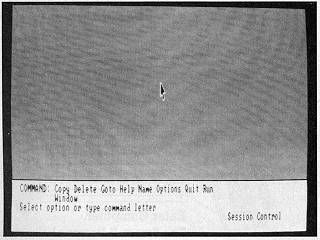 During normal use, Microsoft Windows displays one or more windows, each with a different application. You can move the cursor from one windows to another. You can move windows, change their size, scroll, get help appropriate to the context in which you are working, and transfer data among windows.
 Unlike later versions of Windows (and the Macintosh OS), Windows 1.0 didn't support overlapping windows. Instead, windows could only be tiled side by side on-screen, and their contents would automatically resize to fit the available space.
 As Windows 10 launches on Wednesday, we take a look back at one of the first reviews of Windows 1.0, which allowed things like "multitasking" and "the ability to run several programs at once".